For more than three decades, the Supplemental Nutrition Assistance Program Education (SNAP-Ed), known in California as CalFresh Healthy Living (CFHL), supported nutrition education, physical activity, food access, and community-led efforts to make healthy choices more accessible.
In July 2025, the passage of H.R. 1 eliminated federal funding for SNAP-Ed. The loss of this support has significant implications for the community organizations, local health departments, and trusted partners that have delivered nutrition and physical-activity programs in communities across California bringing an end to over 30 years of programming designed to support healthier lifestyles.

Recent research from the University of California, Agriculture and Natural Resources, Nutrition Policy Institute examined the effects of SNAP-Ed defunding on community organizations and identified priorities for future nutrition and physical activity programs. The research found that the loss of SNAP-Ed significantly reduced community-based organizations’ ability to sustain nutrition and physical activity programming. Organizations reported concerns about the continuation of education, food access, and other community health initiatives. The findings also identified culturally responsive programming, strong community partnerships, and stable funding as important priorities for the future.

For APIFM, CFHL funding helped build a durable foundation for culturally responsive wellness programming across Los Angeles County. Since 2016 beginning with the Champions for Change – Healthy Eating Active Living (HEAL) Program, APIFM has provided nutrition education, cooking, gardening, physical activity programming, and food-access support tailored to Asian and Pacific Islander communities. We have consistently advocated for the inclusion of healthy API recipes, culturally relevant curricula, and language access across key state and federal agencies.
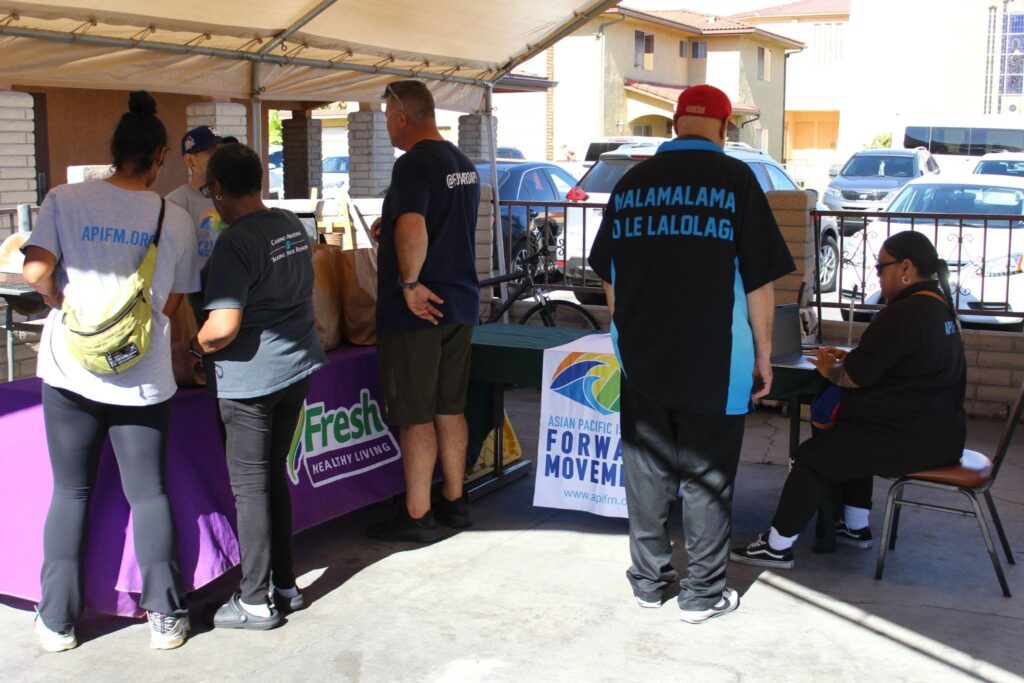
For over a decade, APIFM has partnered with trusted community organizations across Los Angeles County to conduct over 460 produce deliveries and host 160 produce distributions (totaling over 75 tons of produce which is equivalent to approximately 125,000 meals). With funding from CFHL, APIFM has also led over 100 nutrition education and physical activity workshops, translated resources in more than 7 languages (Chinese – Simplified & Traditional, Japanese, Korean, Filipino, Spanish, Thai, & Vietnamese), and incorporated API recipes into healthy cooking demonstrations. These services allowed APIFM to respond to food insecurity during the COVID-19 pandemic, transportation limitations, language access needs, and limited access to safe physical activity opportunities. CFHL funding supported the partnerships, staffing, coordination, and infrastructure needed to deliver these services consistently in familiar and accessible community settings. The loss of CFHL funding places established programming, existing relationships, and community trust at risk.

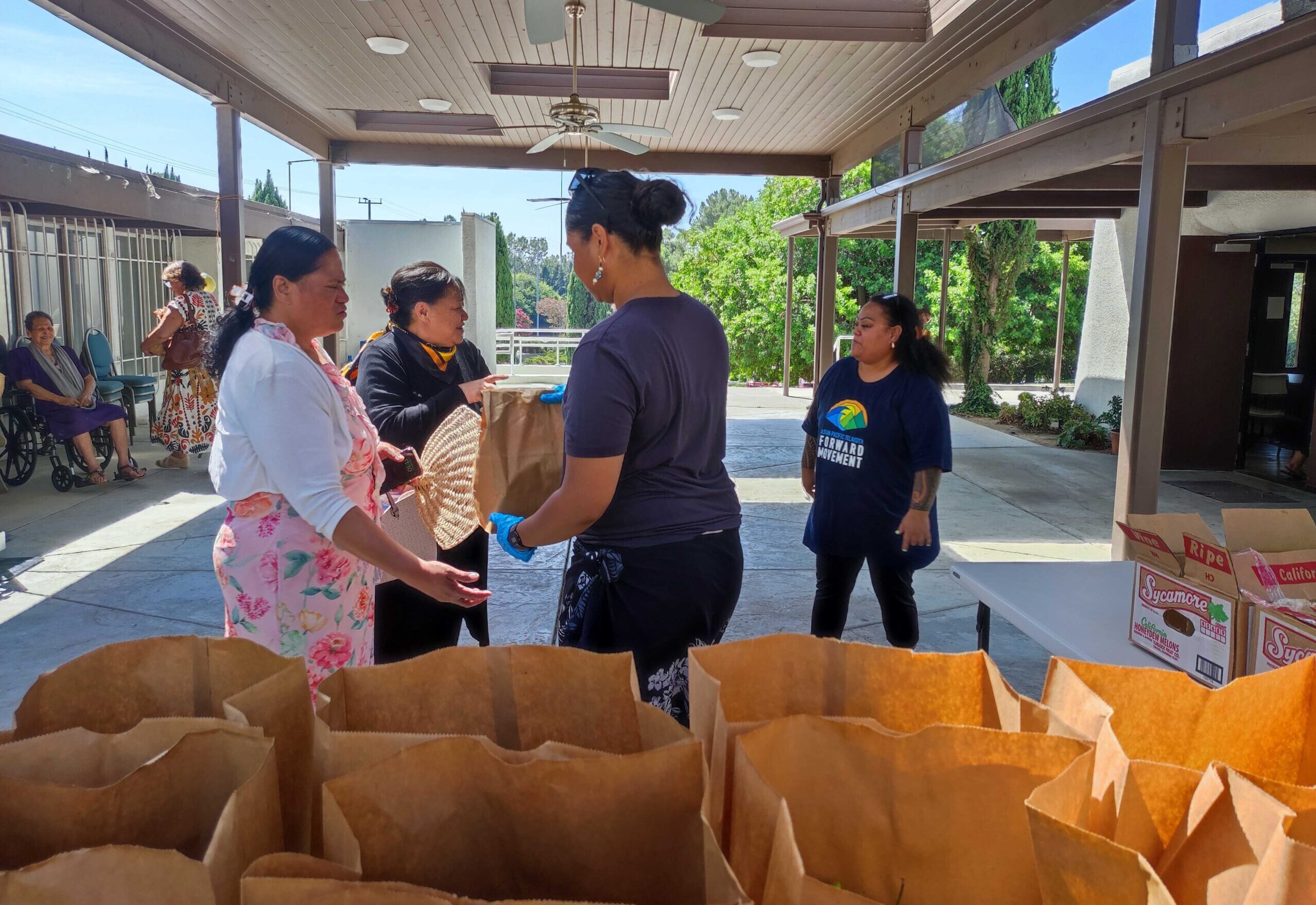
Following the end of CFHL funding, many local food advocates and organizations advocated for temporary support through the Justice Care and Opportunities Department’s (JCOD) Care First Community Investment (CFCI) initiative. This CFCI funding enabled the Department of Public Health to establish the Food Access Investing in Resilience (FAIR) Program, which has enabled many local organizations, including APIFM, to continue the work established under CFHL. This transition has allowed APIFM to build upon existing program infrastructure and community relationships while adapting services to support justice-impacted individuals and families. Maintaining this continuity has helped reduce disruptions for partners and community members who rely on these services.
APIFM’s experience provides a local example of the broader impacts identified in the research. While temporary FAIR funding has helped maintain key services, it does not fully replace the long-term stability previously provided through CFHL. Community-based programs are most effective when they are sustained over time, rooted in trusted relationships, and equipped to meet people where they are.
We remain committed to advancing culturally responsive food access, nutrition education, and wellness opportunities for API communities across Los Angeles County and to advocate for the lasting investments that make this work possible.